
Get In Touch


BRISTOL MYERS SQUIBB
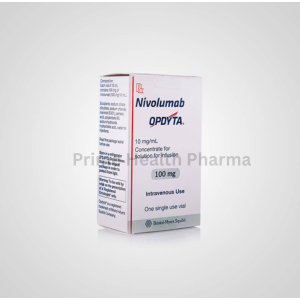
NIVOLUMAB
Advanced skin cancer
1 Vial(s) Of 10ml
Injection
Generic Name/Composition : NIVOLUMAB
Therapeutic classification : Anti-neoplastic
Opdyta 100mg Injection contains Nivolumab and is used to treat several types of cancer, including those of the skin, lungs, kidneys, lymph nodes, bladder, esophagus, and urinary tract, particularly when the disease has returned after previous treatments like surgery, chemotherapy, or radiation. This medicine works by boosting the body’s immune system to better recognize and attack cancer cells, targeting specific molecules that normally suppress the immune response. By doing so, it can help slow tumor growth or even shrink tumors, and in some patients, immunotherapy can provide longer-lasting effects compared to traditional treatments, which often offer only temporary relief and come with significant side effects. However, Opdyta is not suitable for people who have had severe allergic reactions to it or its ingredients, those with certain autoimmune conditions like lupus or rheumatoid arthritis, and it should be used with caution in individuals with a history of organ transplants.
Opdyta 100mg Injection is used to treat various advanced cancers, including melanoma (skin cancer) and skin cancers that return after surgery, as well as advanced non-small cell lung cancer, kidney cancer, and cancers of the head and neck. It is also prescribed for Hodgkin’s lymphoma, advanced urinary tract and bladder cancers, and advanced esophageal cancer, helping the immune system fight these conditions more effectively.
Keep Opdyta vials in a refrigerator (2°C–8°C), protected from light, and do not freeze
Do not use if allergic to Nivolumab or any ingredient.
Regular monitoring of liver, kidney, lungs, and hormone levels is needed during treatment.
Inform your doctor about any infections, other medications, or health conditions.
Use cautiously if you have had an organ transplant.
Opdyta is used to treat advanced cancers such as melanoma (skin cancer), non-small cell lung cancer, kidney cancer, Hodgkin’s lymphoma, head and neck cancer, bladder and urinary tract cancer, and esophageal cancer, especially when these cancers return after previous treatments.
It helps the immune system recognize and attack cancer cells by blocking certain molecules that can weaken the body’s immune response. This may slow tumor growth or shrink tumors.
Opdyta is given as an injection by a healthcare professional, usually in a hospital or clinic setting. The dosing schedule depends on your condition and doctor’s advice.
Common side effects include tiredness, nausea, diarrhea, skin rash or itching, loss of appetite, and mild fever.
Serious side effects can include trouble breathing, yellowing of skin or eyes, severe diarrhea, swelling, extreme fatigue, severe allergic reactions, chest pain, or high fever. Contact your doctor immediately if these occur.
People allergic to Nivolumab or its ingredients, those with certain autoimmune diseases, and patients with a history of organ transplants should avoid it or use it cautiously under medical supervision.
Always inform your doctor about any other medications, supplements, or health conditions before starting Opdyta, as some may affect how it works or increase side effects.
Keep it in the refrigerator at 2°C–8°C, protected from light, do not freeze, and keep out of reach of children.
Generic Name/Composition : NIVOLUMAB
Therapeutic classification : Anti-neoplastic
Opdyta 100mg Injection contains Nivolumab and is used to treat several types of cancer, including those of the skin, lungs, kidneys, lymph nodes, bladder, esophagus, and urinary tract, particularly when the disease has returned after previous treatments like surgery, chemotherapy, or radiation. This medicine works by boosting the body’s immune system to better recognize and attack cancer cells, targeting specific molecules that normally suppress the immune response. By doing so, it can help slow tumor growth or even shrink tumors, and in some patients, immunotherapy can provide longer-lasting effects compared to traditional treatments, which often offer only temporary relief and come with significant side effects. However, Opdyta is not suitable for people who have had severe allergic reactions to it or its ingredients, those with certain autoimmune conditions like lupus or rheumatoid arthritis, and it should be used with caution in individuals with a history of organ transplants.
Opdyta 100mg Injection is used to treat various advanced cancers, including melanoma (skin cancer) and skin cancers that return after surgery, as well as advanced non-small cell lung cancer, kidney cancer, and cancers of the head and neck. It is also prescribed for Hodgkin’s lymphoma, advanced urinary tract and bladder cancers, and advanced esophageal cancer, helping the immune system fight these conditions more effectively.
Keep Opdyta vials in a refrigerator (2°C–8°C), protected from light, and do not freeze
Do not use if allergic to Nivolumab or any ingredient.
Regular monitoring of liver, kidney, lungs, and hormone levels is needed during treatment.
Inform your doctor about any infections, other medications, or health conditions.
Use cautiously if you have had an organ transplant.
Opdyta is used to treat advanced cancers such as melanoma (skin cancer), non-small cell lung cancer, kidney cancer, Hodgkin’s lymphoma, head and neck cancer, bladder and urinary tract cancer, and esophageal cancer, especially when these cancers return after previous treatments.
It helps the immune system recognize and attack cancer cells by blocking certain molecules that can weaken the body’s immune response. This may slow tumor growth or shrink tumors.
Opdyta is given as an injection by a healthcare professional, usually in a hospital or clinic setting. The dosing schedule depends on your condition and doctor’s advice.
Common side effects include tiredness, nausea, diarrhea, skin rash or itching, loss of appetite, and mild fever.
Serious side effects can include trouble breathing, yellowing of skin or eyes, severe diarrhea, swelling, extreme fatigue, severe allergic reactions, chest pain, or high fever. Contact your doctor immediately if these occur.
People allergic to Nivolumab or its ingredients, those with certain autoimmune diseases, and patients with a history of organ transplants should avoid it or use it cautiously under medical supervision.
Always inform your doctor about any other medications, supplements, or health conditions before starting Opdyta, as some may affect how it works or increase side effects.
Keep it in the refrigerator at 2°C–8°C, protected from light, do not freeze, and keep out of reach of children.

Sourced from Manufacturers

Air Express Delivery

Trusted Medicines

Get Up to 85% Off