
Get In Touch


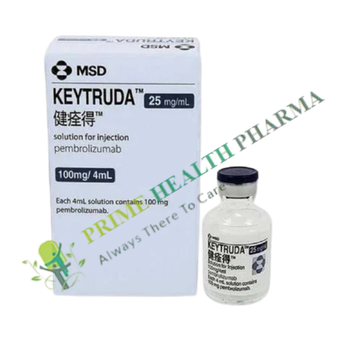

PEMBROLIZUMAB
MSD PHARMACEUTICALS PVT LTD
Advanced melanoma
1 VIAL(s) OF 4ML
Injection
Keytruda 100 mg Injection is an advanced immunotherapy medicine that contains the active ingredient pembrolizumab. It is widely used in the treatment of various types of cancers, including those affecting the skin, lungs, bladder, stomach, liver, cervix, kidney, colon, rectum, esophagus, breast, and uterus, as well as head and neck cancers and classical Hodgkin lymphoma. Unlike traditional chemotherapy, Keytruda works by enhancing the body’s immune system, enabling it to recognize and attack cancer cells more effectively. Cancer occurs when abnormal cells grow uncontrollably, and this targeted approach helps improve outcomes by slowing disease progression and, in some cases, providing long-lasting responses and improved survival rates in patients with advanced cancers.
However, the effectiveness of Keytruda may vary from patient to patient, and not everyone responds to the treatment in the same way. It is generally not recommended for children and adolescents under 18 years of age, except for certain cases such as classical Hodgkin lymphoma in children aged 3 years and older. Patients undergoing treatment are advised to use effective contraception during therapy and for at least four months after the last dose, as the medicine may harm an unborn baby. The decision to use Keytruda depends on multiple factors, including the type and stage of cancer, overall health condition, and previous treatments received. Therefore, it is important for patients to have a detailed discussion with their healthcare provider to understand the potential benefits, risks, and suitability of this therapy.
Keytruda 100 mg Injection is widely used in the treatment of multiple advanced and difficult-to-treat cancers. It is commonly prescribed for advanced melanoma, non-small cell lung cancer (NSCLC), and classical Hodgkin lymphoma, as well as cancers such as urothelial carcinoma, gastric (stomach) cancer, and head and neck squamous cell carcinoma. In addition, it is used in the management of cervical cancer and primary mediastinal large B-cell lymphoma, offering a targeted immunotherapy approach that helps the immune system fight cancer more effectively and improve overall survival outcomes.
Like other anticancer medicines, Keytruda 100 mg Injection may cause side effects, which can be mild or serious depending on the patient’s condition and response to treatment.
If you experience any severe or unusual symptoms, seek immediate medical attention.
If you experience any severe or unusual symptoms, seek immediate medical attention.
1. Do not use if you are allergic to pembrolizumab or any of its ingredients.
2. May cause immune-related side effects affecting organs such as the lungs, liver, kidneys, intestines, and endocrine glands
3. Use with caution in patients with autoimmune diseases or organ transplants.
4. Inform your doctor if you have liver, kidney, or lung conditions before starting treatment.
5. Monitor for symptoms like persistent cough, diarrhea, severe fatigue, or hormonal changes, and report them immediately.
6. Not recommended during pregnancy; use effective contraception during treatment and for at least 4 months after the last dose.
7. Breastfeeding is not advised during treatment.
8. Inform your doctor about all medications, supplements, or herbal products you are taking.
9. Store in a refrigerator (2°C to 8°C).
10. Do not freeze or shake the vial.
11. Keep in the original packaging to protect from light.
Keytruda 100 mg Injection is used to treat a wide range of cancers, including lung cancer, melanoma, Hodgkin lymphoma, and several advanced solid tumors, by helping the immune system recognize and attack cancer cells.
Keytruda contains pembrolizumab, which blocks the PD-1 pathway, allowing the immune system to detect and destroy cancer cells more effectively.
In some cancers, Keytruda may offer better long-term outcomes and fewer side effects than traditional chemotherapy, but effectiveness depends on the cancer type and patient condition
Eligibility depends on factors such as cancer type, stage, PD-L1 expression, overall health, and previous treatments, as determined by a healthcare provider.
Keytruda can cause immune-related reactions that may affect organs like the lungs, liver, intestines, or endocrine glands, requiring prompt medical attention.
It is given as an intravenous infusion by a healthcare professional, typically in a hospital or oncology clinic setting.
Yes, Keytruda may be used alone or in combination with chemotherapy or targeted therapies, depending on the treatment plan.
The duration of treatment varies, but it is usually continued until disease progression or unacceptable side effects occur, as advised by the doctor.
Keytruda 100 mg Injection is used to treat a wide range of cancers, including lung cancer, melanoma, Hodgkin lymphoma, and several advanced solid tumors, by helping the immune system recognize and attack cancer cells.
Keytruda contains pembrolizumab, which blocks the PD-1 pathway, allowing the immune system to detect and destroy cancer cells more effectively.
In some cancers, Keytruda may offer better long-term outcomes and fewer side effects than traditional chemotherapy, but effectiveness depends on the cancer type and patient condition
Eligibility depends on factors such as cancer type, stage, PD-L1 expression, overall health, and previous treatments, as determined by a healthcare provider.
Keytruda can cause immune-related reactions that may affect organs like the lungs, liver, intestines, or endocrine glands, requiring prompt medical attention.
It is given as an intravenous infusion by a healthcare professional, typically in a hospital or oncology clinic setting.
Yes, Keytruda may be used alone or in combination with chemotherapy or targeted therapies, depending on the treatment plan.
The duration of treatment varies, but it is usually continued until disease progression or unacceptable side effects occur, as advised by the doctor.
Keytruda 100 mg Injection is an advanced immunotherapy medicine that contains the active ingredient pembrolizumab. It is widely used in the treatment of various types of cancers, including those affecting the skin, lungs, bladder, stomach, liver, cervix, kidney, colon, rectum, esophagus, breast, and uterus, as well as head and neck cancers and classical Hodgkin lymphoma. Unlike traditional chemotherapy, Keytruda works by enhancing the body’s immune system, enabling it to recognize and attack cancer cells more effectively. Cancer occurs when abnormal cells grow uncontrollably, and this targeted approach helps improve outcomes by slowing disease progression and, in some cases, providing long-lasting responses and improved survival rates in patients with advanced cancers.
However, the effectiveness of Keytruda may vary from patient to patient, and not everyone responds to the treatment in the same way. It is generally not recommended for children and adolescents under 18 years of age, except for certain cases such as classical Hodgkin lymphoma in children aged 3 years and older. Patients undergoing treatment are advised to use effective contraception during therapy and for at least four months after the last dose, as the medicine may harm an unborn baby. The decision to use Keytruda depends on multiple factors, including the type and stage of cancer, overall health condition, and previous treatments received. Therefore, it is important for patients to have a detailed discussion with their healthcare provider to understand the potential benefits, risks, and suitability of this therapy.
Keytruda 100 mg Injection is widely used in the treatment of multiple advanced and difficult-to-treat cancers. It is commonly prescribed for advanced melanoma, non-small cell lung cancer (NSCLC), and classical Hodgkin lymphoma, as well as cancers such as urothelial carcinoma, gastric (stomach) cancer, and head and neck squamous cell carcinoma. In addition, it is used in the management of cervical cancer and primary mediastinal large B-cell lymphoma, offering a targeted immunotherapy approach that helps the immune system fight cancer more effectively and improve overall survival outcomes.
Like other anticancer medicines, Keytruda 100 mg Injection may cause side effects, which can be mild or serious depending on the patient’s condition and response to treatment.
If you experience any severe or unusual symptoms, seek immediate medical attention.
If you experience any severe or unusual symptoms, seek immediate medical attention.
1. Do not use if you are allergic to pembrolizumab or any of its ingredients.
2. May cause immune-related side effects affecting organs such as the lungs, liver, kidneys, intestines, and endocrine glands
3. Use with caution in patients with autoimmune diseases or organ transplants.
4. Inform your doctor if you have liver, kidney, or lung conditions before starting treatment.
5. Monitor for symptoms like persistent cough, diarrhea, severe fatigue, or hormonal changes, and report them immediately.
6. Not recommended during pregnancy; use effective contraception during treatment and for at least 4 months after the last dose.
7. Breastfeeding is not advised during treatment.
8. Inform your doctor about all medications, supplements, or herbal products you are taking.
9. Store in a refrigerator (2°C to 8°C).
10. Do not freeze or shake the vial.
11. Keep in the original packaging to protect from light.
Keytruda 100 mg Injection is used to treat a wide range of cancers, including lung cancer, melanoma, Hodgkin lymphoma, and several advanced solid tumors, by helping the immune system recognize and attack cancer cells.
Keytruda contains pembrolizumab, which blocks the PD-1 pathway, allowing the immune system to detect and destroy cancer cells more effectively.
In some cancers, Keytruda may offer better long-term outcomes and fewer side effects than traditional chemotherapy, but effectiveness depends on the cancer type and patient condition
Eligibility depends on factors such as cancer type, stage, PD-L1 expression, overall health, and previous treatments, as determined by a healthcare provider.
Keytruda can cause immune-related reactions that may affect organs like the lungs, liver, intestines, or endocrine glands, requiring prompt medical attention.
It is given as an intravenous infusion by a healthcare professional, typically in a hospital or oncology clinic setting.
Yes, Keytruda may be used alone or in combination with chemotherapy or targeted therapies, depending on the treatment plan.
The duration of treatment varies, but it is usually continued until disease progression or unacceptable side effects occur, as advised by the doctor.
Keytruda 100 mg Injection is used to treat a wide range of cancers, including lung cancer, melanoma, Hodgkin lymphoma, and several advanced solid tumors, by helping the immune system recognize and attack cancer cells.
Keytruda contains pembrolizumab, which blocks the PD-1 pathway, allowing the immune system to detect and destroy cancer cells more effectively.
In some cancers, Keytruda may offer better long-term outcomes and fewer side effects than traditional chemotherapy, but effectiveness depends on the cancer type and patient condition
Eligibility depends on factors such as cancer type, stage, PD-L1 expression, overall health, and previous treatments, as determined by a healthcare provider.
Keytruda can cause immune-related reactions that may affect organs like the lungs, liver, intestines, or endocrine glands, requiring prompt medical attention.
It is given as an intravenous infusion by a healthcare professional, typically in a hospital or oncology clinic setting.
Yes, Keytruda may be used alone or in combination with chemotherapy or targeted therapies, depending on the treatment plan.
The duration of treatment varies, but it is usually continued until disease progression or unacceptable side effects occur, as advised by the doctor.

Sourced from Manufacturers

Air Express Delivery

Trusted Medicines

Get Up to 85% Off